
FRP Bird Nesting Box
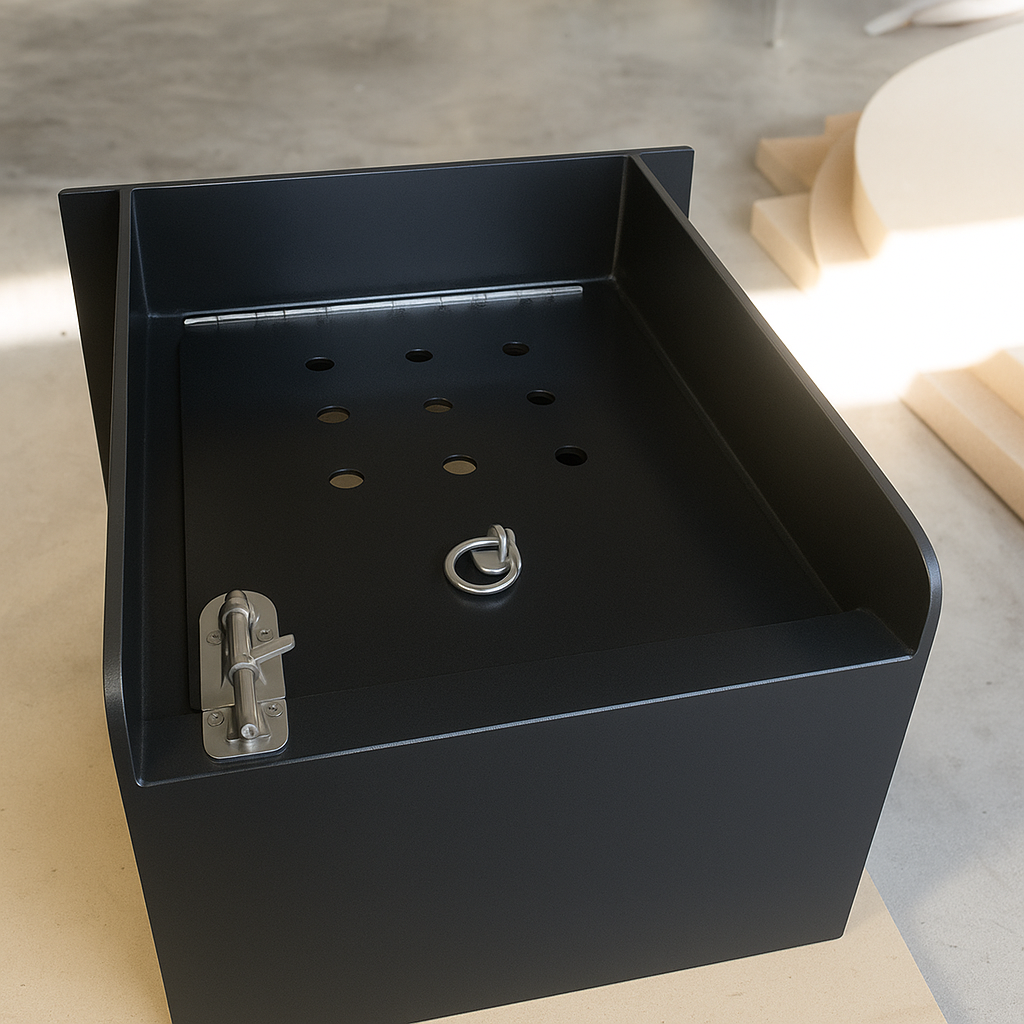
FRP (Fiber Reinforced Plastic) bird nesting boxes provide birds with safe and comfortable habitats in outdoor environments. Gardeners and park managers install these boxes in gardens, parks, nature reserves, and urban areas to support local bird populations and promote biodiversity.
FRP nesting boxes also reduce maintenance efforts and resist harsh weather, offering advantages over traditional wooden boxes.
Features
Durable Construction: Manufacturers build FRP bird nesting boxes from composite materials, combining a polymer resin matrix with fiberglass or other reinforcing fibers. This design provides exceptional strength, durability, and weather resistance, ensuring reliable long-term performance in outdoor environments.
Weather Resistance: FRP materials resist moisture, UV rays, temperature changes, and environmental stress, allowing nesting boxes to perform well in diverse climates.
Insulating Properties: FRP nesting boxes insulate against heat and cold, regulating internal temperatures to create a comfortable environment for birds and their chicks.
Lightweight: Despite their strength, FRP nesting boxes remain lightweight, allowing easy handling, transport, and installation on trees, poles, fences, or buildings without damage.
Ventilation: FRP nesting boxes include ventilation holes to allow airflow, preventing condensation, mold growth, and overheating during hot weather.
Predator Protection: Nesting boxes may feature predator guards to shield birds and their eggs from squirrels, raccoons, cats, and birds of prey.
Easy Maintenance: FRP nesting boxes need minimal maintenance compared to wooden boxes. They resist rot, warping, and deterioration, and you can clean them easily with water and mild detergent.
Customizable Design: You can customize FRP nesting boxes for size, shape, entrance hole diameter, and interior features to suit different bird species and nesting needs.
applications
Wildlife Conservation: Conservationists use FRP bird nesting boxes in wildlife projects, habitat restoration, and biodiversity programs to provide nesting sites and offset habitat loss.
Gardens and Parks: People install these nesting boxes in gardens, parks, and green spaces to attract birds and encourage insect-eating species for natural pest control.
Urban Areas: People place FRP nesting boxes in urban areas, such as neighborhoods, schools, and commercial zones, to provide nesting sites and boost urban biodiversity.
Nature Reserves: Conservation teams install nesting boxes in reserves and protected areas to supplement natural habitats and support bird breeding in regions affected by habitat loss.
Educational Programs: Educators use FRP nesting boxes in schools, nature centers, and environmental programs to teach students and the public about bird biology, ecology, and conservation.
Research Studies: Researchers use nesting boxes in studies, monitoring programs, and bird banding projects to observe bird behavior, reproduction, population trends, and habitat preferences.
Community Engagement: Community groups install nesting boxes to participate in conservation, citizen science, and greening projects, fostering stewardship and connection with nature.
Aesthetic Enhancement: People place nesting boxes in outdoor spaces to add visual appeal, support wildlife, and provide bird-watching opportunities for residents and visitors.